

Aug. 06, 2026
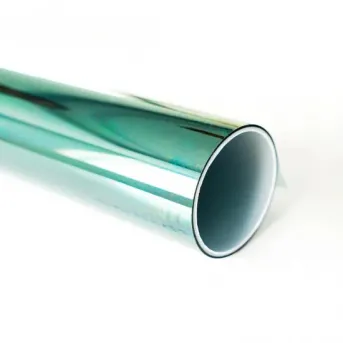
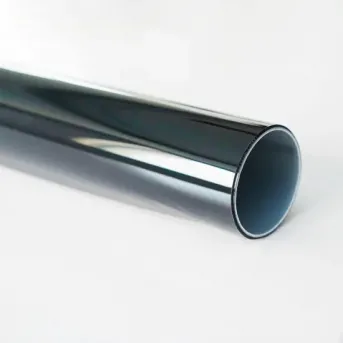
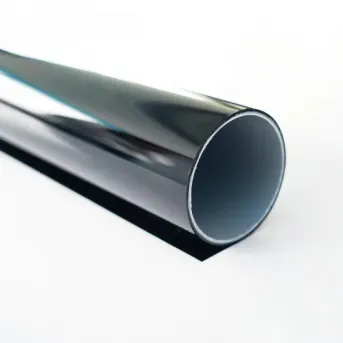
Architectural Window Film is a specialized type of window covering designed to enhance the appearance, functionality, and efficiency of commercial buildings. This innovative film is applied directly to glass surfaces, offering benefits such as glare reduction, UV protection, energy efficiency, and privacy, making it a vital asset for business premises. The practical applications of architectural window film can significantly lower operational costs and improve the overall ambiance of a space, ensuring that businesses not only create a pleasant environment but also enhance their bottom line.
The history of architectural window film dates back to the 1960s, when it was first introduced as a means to improve energy efficiency in homes and commercial settings. Over the decades, advancements in technology have led to the development of films that offer enhanced durability and performance, adhering to international standards such as ASTM and ISO certifications. Today, companies like ZEO Films have innovated their product lines to include a variety of tints, designs, and functionalities, tailored to meet specific needs in different commercial environments.
The practical uses of architectural window film in commercial buildings are vast. For instance, businesses can use window films to reduce glare from the sun by up to 95%, which not only improves work productivity but also protects sensitive electronic equipment from potential damage. Furthermore, UV protection is crucial, with films blocking up to 99% of harmful ultraviolet rays, leading to reduced fading of interior furnishings and artwork. Energy consumption can also be cut down significantly, with studies revealing that window films can lead to energy savings of 30% or more, contributing to a greener and more sustainable operation.
However, misconceptions about architectural window film often hinder its adoption in commercial spaces. A common belief is that these films only serve decorative purposes, while their real value extends far beyond aesthetics. Some may worry about transparency, thinking that applying a tinted film will obstruct views. In reality, many modern films are designed to maintain transparency while effectively controlling light and heat.
Real-world examples illustrate the significant positive impacts of architectural window film. For instance, a major office building in New York City implemented ZEO Films to enhance its energy efficiency program. Within a year, the building reported a remarkable 25% reduction in cooling costs, accompanied by improved tenant satisfaction due to a more comfortable working environment. Similarly, a prominent retail store in Los Angeles adopted these films to protect merchandise from UV radiation, ultimately reducing product loss and ensuring customer satisfaction.
In conclusion, architectural window film serves not only as a protective measure for commercial buildings but also as a cost-effective solution that enhances aesthetics, improves energy efficiency, and contributes to sustainability efforts. By harnessing such technology, businesses can stay ahead in today’s competitive landscape. ZEO Films invites you to explore the full array of applications of architectural window film in commercial buildings, transforming your space into a modern, efficient, and visually appealing environment. For more information on how our innovative solutions can benefit your business, visit ZEO Films.
Previous: Why Choose Architectural Window Film For Office And Glass Buildings?
Next: Architectural Window Film vs Low-E Glass: Which Solution Is Better?
Latest news
Related Products

Company
Company
Stay in Touch
Stay in Touch