

Sep. 09, 2026
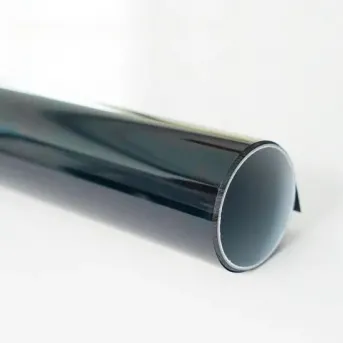
In the modern architectural landscape, Architectural Window Film has emerged as a vital tool for enhancing energy efficiency and occupant comfort. As property owners face rising energy costs and increasing demands for sustainability, the application of this technology provides a feasible solution to common challenges such as excessive heat gain and glare, ultimately leading to improved indoor environments. The significance of architectural window film lies in its ability to reflect solar heat, reduce UV exposure, and maintain aesthetic appeal, making it an essential component in both commercial and residential spaces.
For instance, consider a scenario where an office building experiences significant heat gain during the summer months. Without adequate treatment, the HVAC system must work overtime, leading to energy bills that can soar by up to 30%. However, with the application of window film, the interior temperature can be regulated, resulting in a measured reduction of energy consumption by approximately 15%, while also improving employee comfort—a win-win for both workers and business owners.

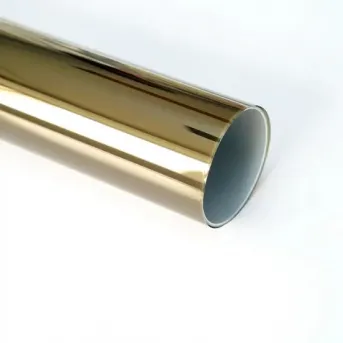
Architectural window film is a specialized, adhesive polyester film designed to be applied to the interior or exterior of architectural glass surfaces. This film serves multiple functions including solar control, privacy enhancement, and safety reinforcement. Industry-standard terms such as "solar heat gain coefficient" (SHGC) and "visible light transmission" (VLT) are critical for understanding the effectiveness of various window films.
Research indicates that films with a low SHGC can help reduce indoor temperatures by up to 10°F, subsequently decreasing dependence on cooling systems during peak summer months. Also, films with a VLT rating of 70% or higher allow for ample natural light while still offering substantial glare reduction.
Architectural window film has versatile applications across various fields:
These applications illustrate just a fraction of how effectively window films can solve common architectural challenges.
The importance of architectural window film cannot be overstated. Here are several compelling reasons:
For those interested in exploring the benefits of Architectural Window Film further, it is advisable to consult the Architectural Window Film Installation Guide for Building Projects from industry leaders such as ZEO Films. This guide encompasses essential installation techniques and maintenance tips to maximize the performance of your window films.
There are several types of architectural film, including solar control, decorative, and security films. Each is designed for specific applications and needs.
Most quality architectural window films come with a warranty ranging from 5 to 15 years, depending on the brand and application.
Yes, window films can be removed by trained professionals without damaging the glass, although the best results come from proper installation and maintenance.
For outstanding performance and a variety of options, consider brands like ZEO Films that offer comprehensive solutions tailored to your architectural needs.
Consulting with a professional installer is recommended to assess specific requirements and recommend suitable options based on energy efficiency goals and aesthetic preferences.
For those ready to enhance their buildings through architectural innovations, understanding the value of Architectural Window Film is the first step toward a more energy-efficient, comfortable, and visually appealing environment.
Previous: Dyed Window Tint Wholesale Buying Guide For Window Film Distributors
Next: Why Choose Architectural Window Film For Office And Glass Buildings?
Latest news
Related Products

Company
Company
Stay in Touch
Stay in Touch