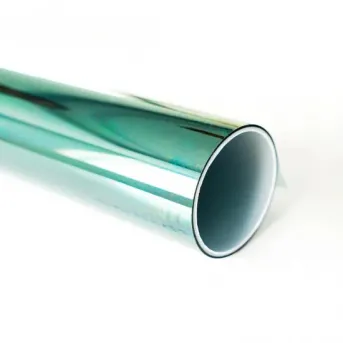
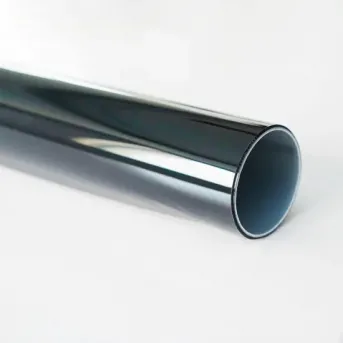
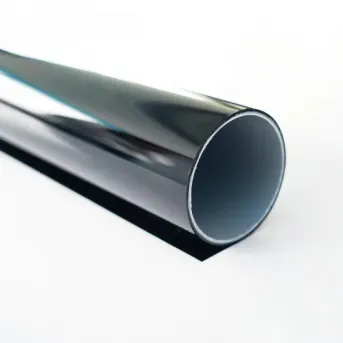
What is Architectural Window Film?
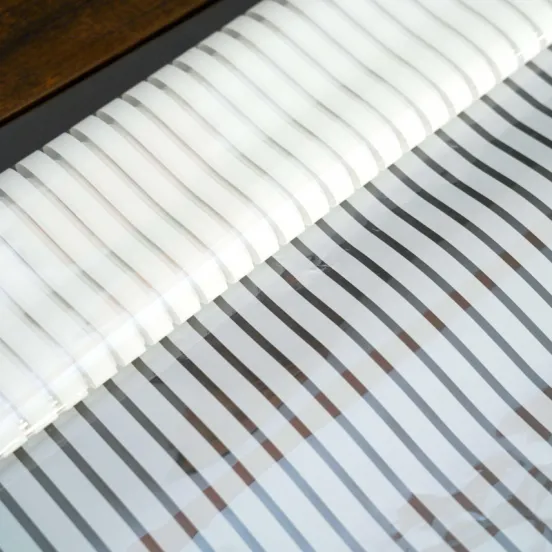
Architectural window film is a thin polyester layer applied to existing glass surfaces, designed to enhance energy efficiency, reduce glare, and provide UV protection. It is a cost-effective solution without the need for full window replacement.
Core Parameters of Architectural Window Film
- Solar Heat Rejection: Up to 78%
- UV Protection: Blocks 99% of harmful UV rays
- Visible Light Transmission: Varies by tint, typically 5% to 70%
- Durability: Lasts 10-20 years with proper maintenance
Exploring Low-E Glass Technology
What is Low-E Glass?
Low-Emissivity (Low-E) glass is specially coated glass that reflects heat back into the building in winter and keeps heat outside in summer, optimizing energy efficiency and comfort.
Core Parameters of Low-E Glass
- U-Factor: Measures heat transfer; lower is better. Commonly between 0.20 to 0.30
- Solar Heat Gain Coefficient (SHGC): Ranges from 0.25 to 0.50
- Visible Light Transmission: Usually between 30% to 70%
- Durability: 20-30 years depending on coating
Comparison of Performance and Usage
Energy Efficiency: Architectural Window Film vs Low-E Glass
Both solutions offer exceptional energy savings; however, each has its strengths:
- Window Film: Best for existing windows; reduces heat and glare quickly.
- Low-E Glass: Ideal for new constructions; offers long-lasting energy efficiency.
Cost Effectiveness
Cost is a significant consideration; therefore:
- Architectural Window Film: Typically cheaper; installation costs are lower than replacing windows.
- Low-E Glass: Higher initial investment, but can lead to energy savings over time.
Pros and Cons of Each Solution
Benefits of Architectural Window Film
- • Enhanced privacy
- • Variety of design options available
- • Quick installation process
Drawbacks of Architectural Window Film
- • Durability can be a concern for high-traffic areas
- • May require replacement sooner than Low-E Glass
Benefits of Low-E Glass
- • Superior thermal performance
- • Long lifespan
- • Increases property value
Drawbacks of Low-E Glass
- • Higher upfront cost
- • Glass replacement is a more invasive process
Recommendations for Different Applications
Who Should Choose Architectural Window Film?
Ideal for:
- • Homeowners looking for quick, affordable upgrades
- • Businesses wanting to improve workplace comfort
Who Should Opt for Low-E Glass?
Best suited for:
- • New constructions aiming for energy-efficient designs
- • Long-term investment for residential and commercial properties
Conclusion
In summary, both Architectural Window Film and Low-E Glass provide unique benefits and challenges. Depending on your specific needs, budget, and installation preferences, one may serve your space better than the other. At ZEO Films, we offer high-quality Architectural Window Film solutions to help enhance your building's energy efficiency and aesthetic appeal. Explore our offerings to find the perfect fit for your project: ZEO Films.