

Jul. 17, 2026
In today's automotive industry, Window Film For Automotive applications has emerged as a pivotal enhancement for vehicles, providing substantial benefits such as heat reduction and UV protection. With the increasing awareness surrounding harmful ultraviolet rays and the uncomfortable heat buildup in vehicles, automotive window tinting has become essential for drivers seeking comfort, safety, and longevity of their vehicles. The introduction of advanced window films is a game-changer, addressing pain points such as intense sunlight, heat discomfort, and UV exposure, significantly impacting the driving experience.
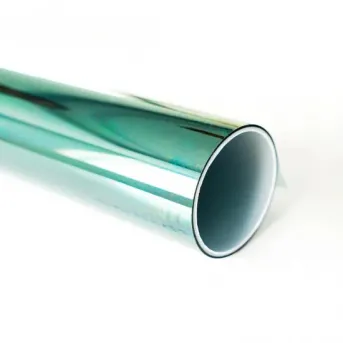
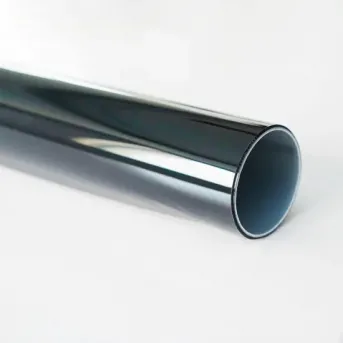
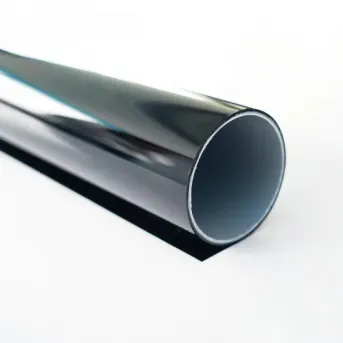
Automotive window film is a thin layer of polyester film coated with specific materials that either absorb, reflect or filter sunlight. The most common constructions of these films include dyed, metalized, and ceramic options that enhance several aspects of vehicle performance. Terms like infrared reflection and visible light transmission (VLT) are critical in this context, as they define how much heat is blocked and how much light is allowed to enter the car, respectively. According to a report by the International Window Film Association (IWFA), certain window films can reduce solar heat gain by as much as 68%, making a compelling case for their usage in automotive applications.
Automotive window films are predominantly used in personal vehicles, but their application extends across various scenarios:
Heat Reduction: Measured data indicates that automotive window films can reflect up to 99% of harmful UV rays while significantly reducing the vehicle's interior temperature. A study conducted by Car and Driver shows that cars equipped with window film can maintain a difference of 20 degrees Fahrenheit compared to those without, which is crucial during hot summer months.
UV Protection: Studies from the American Academy of Dermatology reveal that UV exposure can lead to an increase in skin cancer risks. Automotive window films effectively block up to 99% of harmful UV radiation, adding a layer of skin protection for vehicle occupants.
Increased Safety: In the event of an accident, automotive window films can hold shattered glass fragments in place, reducing the risk of injury from flying shards.
To learn more about how automotive window films can enhance your driving experience, consider reading the user guide provided by manufacturers such as ZEO Films. They offer comprehensive insights into product specifications, benefits, and installation processes that are essential when choosing the right automotive film for your needs.
Q: How long does automotive window film last?
A: High-quality window films can last between 5 to 10 years depending on the type of film and maintenance.
Q: Will window film affect visibility at night?
A: Most modern films are designed to minimize nighttime visibility issues, with various VLT options available to suit individual needs.
Q: Can I install window film myself?
A: While DIY installation is possible, it is recommended to seek professional installation for optimal results and warranty coverage.
Consider exploring the protective benefits of ZEO Films’ automotive window films for your vehicle. You can find the perfect solution that balances heat reduction and UV protection to enhance your driving comfort.
By understanding the profound impact of automotive window films, you can make informed decisions that prioritize your health and comfort while driving.
Previous: Ceramic Window Film vs Traditional Automotive Window Film: Key Differences
Next: How To Choose The Right Window Film For Automotive Applications
Latest news
Related Products

Company
Company
Stay in Touch
Stay in Touch