

Jun. 12, 2026
In today's automotive industry, protecting your vehicle's exterior is more important than ever. Vehicle owners are increasingly seeking solutions to shield their investment from scratches, chips, and environmental damage. This is where the role of a Protection Film Manufacturer becomes crucial. Paint Protection Film (PPF) has emerged as a reliable solution, offering a transparent layer that safeguards against various external factors. However, many potential users still have questions about its effectiveness and the application process, particularly when considering the longevity of the film and the possibility of removing it in the future. This article will delve into the various aspects of Paint Protection Film, addressing these crucial concerns.
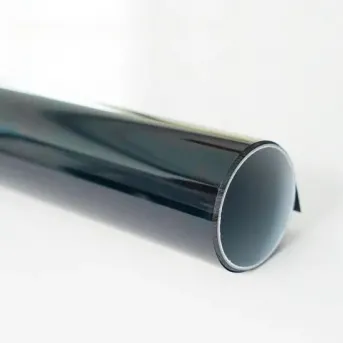
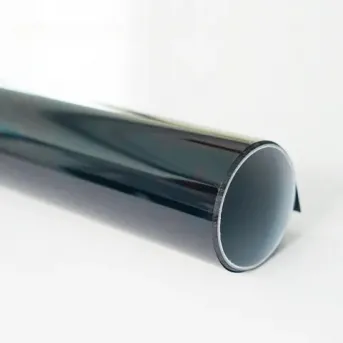
Paint Protection Film is a thermoplastic urethane film that adheres to the exterior surfaces of a vehicle. It acts as a barrier against harmful elements such as road debris, UV rays, and environmental pollutants, which can deteriorate the paint over time. The film is self-healing; minor scratches and swirl marks disappear with heat exposure. Industry experts cite that cars with PPF show a significant reduction in paint damage, with studies revealing up to 99% protection against harmful UV rays and 65% reduction in damage from road debris.
Paint Protection Film is widely used in various domains including:
Automotive Industry: Primarily used on cars, trucks, and motorcycles to preserve factory paint.
Aerospace: Protects aircraft finishes from scratches and environmental exposure.
Marine Applications: Shields boats and nautical equipment from corrosive saltwater and debris.
Architectural Installations: Applied to glass windows and facades.
The significance of Paint Protection Film cannot be overstated. Here are some advantages:
Durability: A high-quality PPF can last for up to 10 years, significantly outperforming traditional wax coatings, which typically need to be reapplied every few months.
Cost-Effectiveness: Investing in PPF can save vehicle owners up to $10,000 in repainting costs over its lifetime, making it a financially prudent choice.
Aesthetic Appeal: High-grade PPF preserves the vehicle's original paint without altering its appearance, maintaining a glossy finish.
Yes, PPF can be removed safely if necessary. Many car owners wonder about the process and longevity of the film. When removed correctly, PPF does not damage the underlying paint, allowing the vehicle's original finish to remain intact.
For those interested in safeguarding their vehicle with Paint Protection Film, a user guide offers detailed instructions on application and maintenance. It’s essential to consider professional installation to ensure optimal results. If you're looking to enhance your vehicle’s longevity and aesthetic appeal, you might want to consider ZEO Films, a leading brand known for its high-quality paint protection solutions.
How does PPF compare to ceramic coatings?While both provide protection, PPF offers a thicker layer that acts as a physical barrier against damage, whereas ceramic coatings create a chemical bond with the surface that repels dirt and water but doesn’t prevent wear as effectively.
Is PPF worth the investment?Yes, especially when considering the potential costs of paint repair and rehabilitation. Studies show vehicles with PPF retain 30% more of their resale value.
What are the signs that it's time to replace my PPF?Look for discoloration, loss of shine, or visible damage. If your PPF has these signs, it may need replacement to maintain optimal protection.
Using Paint Protection Film effectively maximizes the lifetime of your vehicle's paint and its value. For more information or to explore product options, consider checking out ZEO Films and other trusted protection film manufacturers. Protecting your investment has never been easier!
Latest news
Related Products

Company
Company
Stay in Touch
Stay in Touch