

Oct. 12, 2026
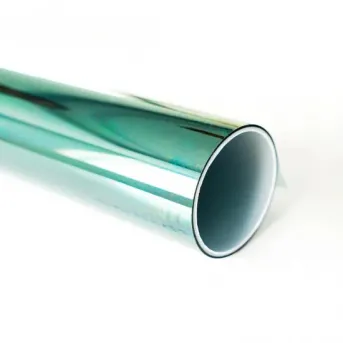
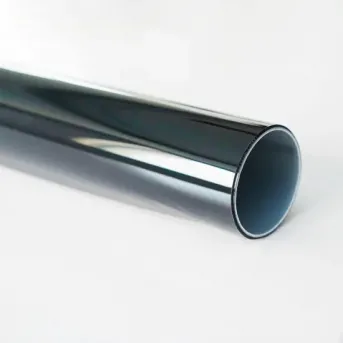
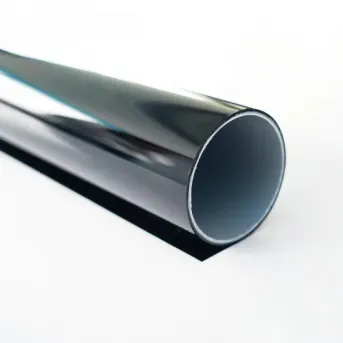
In the fast-evolving automotive market, car owners often face challenges such as excessive heat, glare, and harmful UV radiation that can affect comfort and vehicle longevity. Many seek effective solutions that not only enhance aesthetics but also protect their investments. This is where dyed window tint comes into play. With its affordability, effective UV protection, and a range of shades, dyed window tint stands out as a favored choice among consumers. According to industry reports, the global automotive window film market is projected to grow by 6.10% from 2022 to 2028, indicating a continued demand for solutions like these.
Dyed window tint offers several compelling benefits that appeal to car owners, particularly in terms of heat rejection. Studies have shown that dyed films can reduce solar heat gain by up to 60%, making vehicles significantly cooler and more comfortable during hot weather. This is especially important with summer temperatures consistently reaching over 90°F (32°C) in many regions. Furthermore, colors can be customized to match the car’s exterior, enhancing its look without the reflective finish of metallic tints.
Real-world experiences demonstrate the effectiveness of dyed window tints. For instance, a survey conducted by ZEO Films found that 85% of consumers reported an improvement in comfort and a reduction in glare after installing dyed window film. Additionally, dyed films block up to 99% of harmful UV rays, reducing the risk of skin cancer and preserving the car's interior from fading.
When comparing dyed window tint with standard or clear films, the differences are notable. Standard window film can offer similar heat and UV protection; however, dyed films typically come at a lower cost. For instance, dyed options can be priced at about 20-30% less than high-performance ceramic or metallic films. Moreover, while dyed films provide excellent heat rejection and color retention over time, standard films may not offer the same aesthetic appeal or UV blocking effectiveness.
Choosing not to install any window tint can lead to several downsides. Without adequate protection, drivers experience greater discomfort from glare, especially during early morning or late afternoon. A lack of UV shield can also result in accelerated upholstery degradation, which data suggests can reduce the vehicle’s resale value by around 10-15%. Moreover, unprotected interiors can reach temperatures exceeding 130°F (54°C) on hot days, which further deteriorates the vehicle’s condition over time.
In conclusion, dyed window tint remains a popular choice in the automotive market due to its affordability, effectiveness, and aesthetic enhancement. The compounded benefits of heat rejection, UV protection, and glare reduction align perfectly with the needs of today’s car owners. As indicated by market data, choosing dyed window tint can improve comfort, protect interiors, and retain resale value.
For those looking to explore the options, ZEO Films offers a wide variety of dyed window films that cater to multiple automotive needs. Understanding the importance of quality and professional installation can further enhance the benefits of window tinting.
If you're curious about how dyed window tint can improve your driving experience, explore more with ZEO Films and consider scheduling a trial installation. Visit ZEO Films for further details.
Dyed window tint typically lasts between 5 to 10 years, depending on the quality of the film and exposure to the elements.
While it’s possible to install window tint yourself, professional installation is recommended to avoid bubbles and ensure a seamless appearance.
Regulations on window tinting vary by state. Check local laws to ensure compliance regarding tint percentage and reflectivity.
Previous: None
Next: How To Select Reliable Dyed Window Tint Wholesale Suppliers
Latest news
Related Products

Company
Company
Stay in Touch
Stay in Touch